By: Brooke Hunziker, Chief of Staff, Consulting and Pete Doucette, Sr. Managing Director, Consulting
Over the past 15 years, the single-tier digital subscription model has powered the growth of publisher subscription businesses. It was simple, scalable, and effective during a period when the primary challenge was convincing audiences to pay for digital content at all.
As subscription markets mature and audience growth slows, publishers are reaching the limits of what a one-size-fits-all offering can deliver. The industry is facing a decline in audience growth, as shown below.
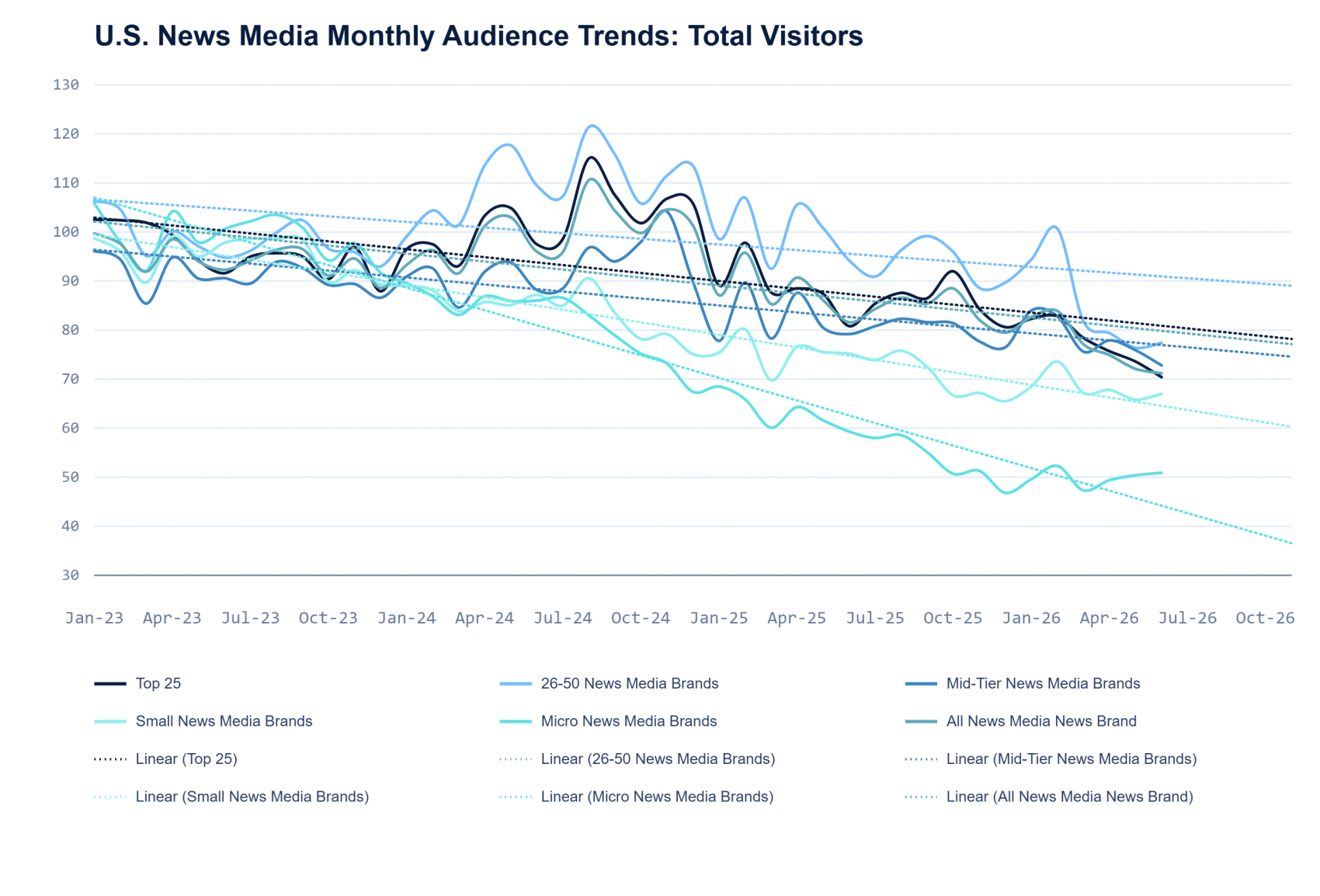
Today, most mature subscription businesses are confronting a new reality: acquisition alone is no longer enough to sustain growth.
Many publishers have already converted their highest-intent audiences. Incremental gains are harder to achieve, pricing pressure is increasing, and subscriber expectations are becoming far more segmented.
In this environment, the next phase of growth depends less on expanding access and more on expanding value. That is why bundling has moved from experimental tactics to core strategic priorities across the industry.
The Subscription Ceiling Is Structural, Not Operational
Slowing subscription growth is often less a sign of execution challenges and more a reflection of business maturity.
Single-product models eventually hit a ceiling because they are built for a generalized audience, while subscriber needs naturally diverge over time—ranging from premium, high-utility experiences to lower-friction entry points and from breadth to specialization.
Bundling addresses this by enabling differentiated value propositions across segments and aligning pricing with willingness to pay. The goal is not simply to add content, but to increase perceived value in ways that improve both conversion and monetization.
The Best Bundles Are Built Around Audience Utility
One of the clearest themes emerging across the industry is that successful bundles start with audience behavior, not product inventory.
Historically, many publishers approached bundling by packaging together assets they already owned. Increasingly, the stronger approach is to ask a different question: what adjacent value naturally complements the subscriber experience?
That may mean combining journalism with lifestyle utility, professional tools, niche expertise, or partner offerings that extend engagement beyond the core product itself.
Harvard Business Review (HBR) is one example of a publisher using subscriber insights to inform product strategy. By analyzing the demographics and behaviors of its existing audience, HBR identified an opportunity to launch an executive tier tailored to higher-value users. At the 2026 Mather Symposium, Nini Diana, Director of Consumer Marketing, shared that roughly 75% of executive-tier subscribers come from the existing subscriber base, helping drive meaningful ARPU expansion within that audience.
This kind of segmentation-led growth strategy is particularly important given the fragility of early subscriber retention. Early churn is highly concentrated, in some cases with 15-20% of cancellations within 24 hours of purchase and 40% within the first 7 days.
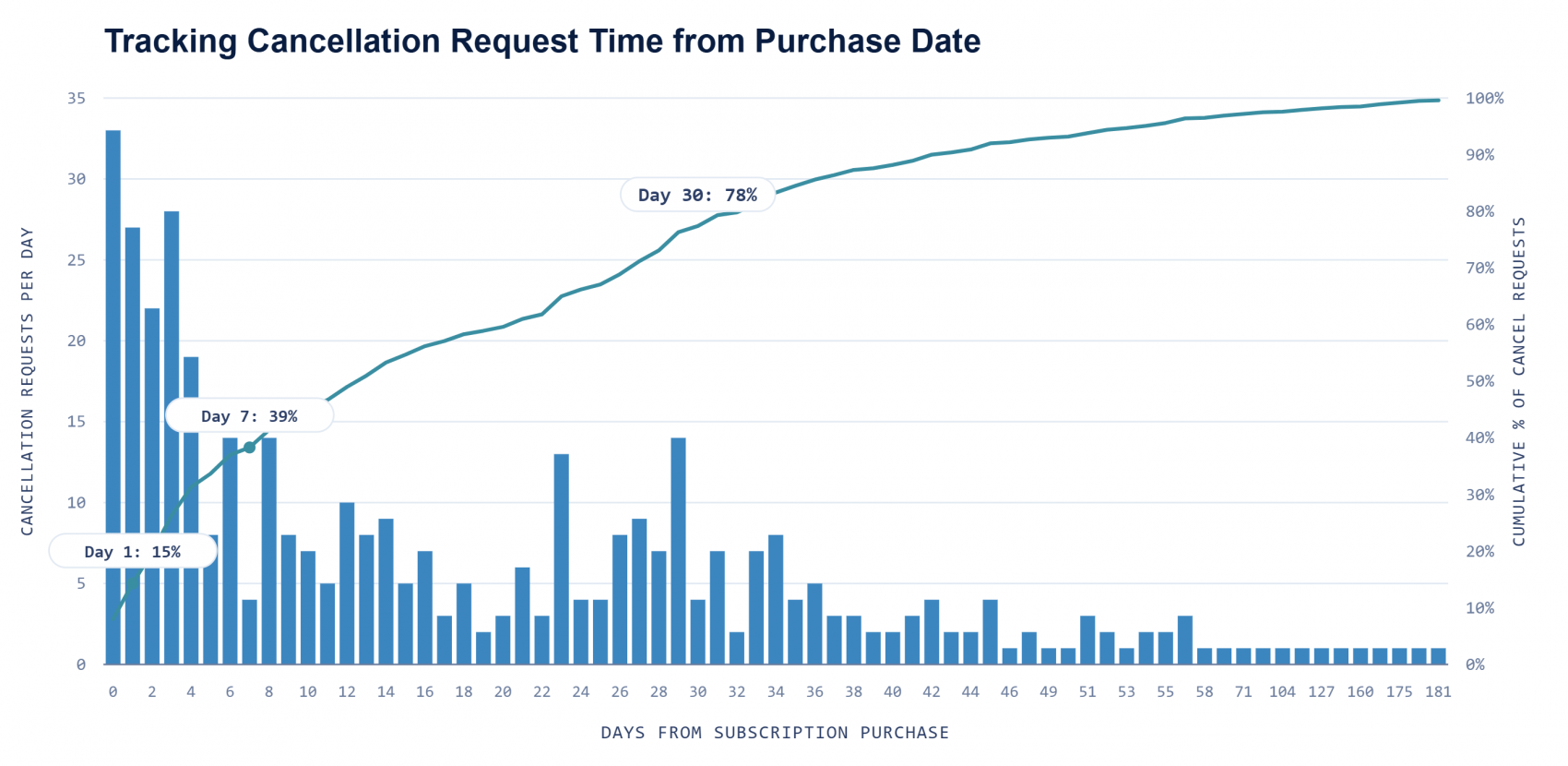
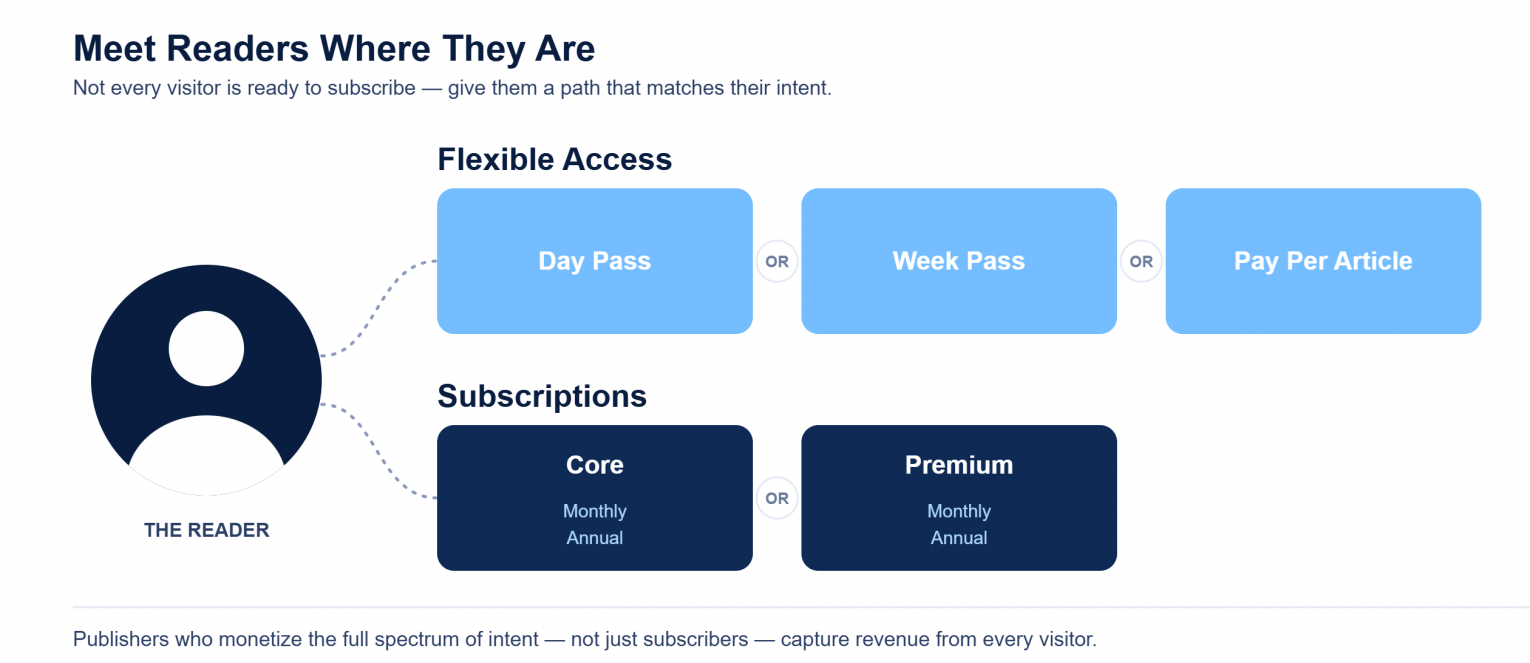
Subscribers show what they want and don’t want in their actions when they purchase and immediately churn. Designing a choice architecture around these signals allows publishers to better align offerings with subscriber needs while optimizing revenue.
Bundling Is as Much About Segmentation as Monetization
A common concern with bundling is cannibalization—whether upgrades simply shift revenue from existing subscribers rather than create new value. While valid, this can obscure the larger opportunity.
Bundling is not just about charging more; it’s about aligning offerings with varying levels of engagement and willingness to pay. In mature markets, distinct audiences require distinct experiences, from depth and exclusivity for power users to simplicity and lower commitment for lighter users.
Irina Platonova, SVP of Marketing and Product at the Daily Racing Form (DRF), shared at the 2026 Mather Symposium how DRF launched a simplified product aimed at sports bettors, a new audience segment with high growth potential. The launch opened DRF to a younger, less experienced audience in horse betting, giving them an accessible way to participate.
Why External Partnerships Matter More Than Ever
Another important evolution in publisher bundling strategies is the growing role of external partnerships.
As consumer expectations evolved, The Philadelphia Inquirer added access to New York Times Cooking, among other features, within its premium bundle. The decision to partner was informed by audience research showing strong interest in food content alongside local news and sports. Rather than build a competing product, the Inquirer integrated a complementary best-in-class offering to enhance subscriber value.
This reflects a broader shift in how subscription products are being designed. The most competitive subscription offerings increasingly resemble ecosystems rather than standalone products.
ARPU Expansion Is Becoming the More Important Growth Lever
For years, digital subscription strategies focused overwhelmingly on subscriber volume. That focus made sense during early growth stages when publishers were building digital scale.
But in mature subscription businesses, subscriber growth alone becomes a less efficient lever. The more durable opportunity often lies in increasing value capture from existing audiences.
That is where bundling becomes especially powerful.
Across Mather client engagements, we consistently see that thoughtfully designed bundle strategies increase ARPU and improve retention. Publishers who successfully execute a bundle strategy can reasonably expect ARPU on the upgrading subscriber cohort to rise by 60–140%, depending on pricing structure, feature differentiation, and audience fit. The pattern is consistent: when subscribers perceive greater utility and relevance, they engage more deeply and retain longer.
Importantly, this does not mean every publisher should immediately launch multiple premium tiers or expansive bundles. Complexity without clarity can create confusion and operational strain. Successful bundling requires pricing discipline, clear positioning, and strong segmentation logic.
But the underlying strategic direction is increasingly clear.
The publishers best positioned for the next phase of subscription growth will be those that treat their subscription products as dynamic value ecosystems rather than static access models. That means investing in product design, pricing architecture, segmentation, and partnerships with the same rigor traditionally applied to editorial and advertising strategy.
The industry conversation is no longer simply about how to acquire subscribers. It is about how to continuously expand the value subscribers believe they are receiving.
That transition — from selling access to delivering differentiated value — is where the future of subscription growth will be won.
Publishers That Continue Optimizing Only For Acquisition Will Increasingly Plateau
The next wave of growth will come from those that redesign their subscription businesses to systematically expand value and capture it through smarter bundling.
For publishers, the opportunity is to move beyond viewing subscription as a single product to manage, and instead treat it as a portfolio of value propositions to optimize. This requires investment in three areas: understanding audience segments more precisely, designing pricing and packaging that reflects those differences, and building products that extend perceived value beyond owned content alone.